Financial markets are constantly evolving. New technologies emerge, economies grow, interest rates change, and global events reshape how investors think about risk and opportunity.
In recent years, many market strategists have suggested that investing may be entering a “new era.” They argue that the conditions that helped drive markets for much of the past decade such as historically low interest rates and abundant liquidity may no longer be the norm.
Does this mean investing has fundamentally changed?
Not necessarily. While every economic cycle is different, history shows that markets have always adapted to changing conditions. Understanding why some experts believe we’re entering a new phase can help investors better navigate today’s financial landscape.
What Is Happening?
For more than a decade following the 2008 Global Financial Crisis, many central banks kept interest rates at historically low levels to support economic growth. Low borrowing costs encouraged businesses to invest, consumers to spend, and investors to put more money into stocks.
During that period, technology companies experienced exceptional growth, and broad stock market indexes delivered strong long-term returns.
Today, however, the economic environment looks different.
Inflation has become a much bigger focus for policymakers. Interest rates are generally higher than they were for much of the previous decade, borrowing has become more expensive, and geopolitical tensions have increased uncertainty in global markets.
Think of financial markets like driving a car.
For years, investors were traveling on a wide, smooth highway with favourable weather. Progress was relatively steady, and unexpected obstacles were limited. Today, the road may have become more winding. Drivers can still reach their destination, but they may need to slow down, pay closer attention, and adjust to changing conditions along the way.
This doesn’t mean the journey is ending it simply requires a different approach.
Why It Matters for Investors
A changing market environment can affect how different investments perform.
When interest rates are low, investors are often willing to pay higher prices for companies that are expected to grow rapidly in the future. As interest rates rise, those future earnings become less valuable in today’s terms, which can place pressure on certain high-growth stocks.
At the same time, sectors that were overlooked during periods of low interest rates such as financial institutions, energy companies, or businesses with stable cash flows may become more attractive depending on economic conditions.
Another important factor is market volatility.
Over the past several years, investors have faced a series of major events, including rising inflation, supply chain disruptions, geopolitical conflicts, and rapid advances in Artificial Intelligence. Each of these developments has influenced markets in different ways, reminding investors that uncertainty is a normal part of investing.
History provides a valuable perspective.
Many investors believed the world had permanently changed after the dot-com crash in 2000, the Global Financial Crisis in 2008, and the COVID-19 pandemic in 2020. While each event reshaped markets in important ways, businesses adapted, new industries emerged, and economies continued to grow over time.
The lesson is that markets are always evolving. Some strategies perform better during certain periods, while others become more effective when economic conditions change.
Successful investors rarely rely on predictions alone. Instead, they focus on diversification, disciplined decision-making, and long-term thinking.
Key Takeaways
Every generation of investors experiences periods that feel different from anything that came before. While today’s market has unique challenges including higher interest rates, inflation concerns, geopolitical uncertainty, and rapid technological change it is not the first time investors have had to adapt.
Rather than asking whether this is a completely “new era,” a more useful question is whether your investment strategy is flexible enough to handle changing economic conditions.
Markets will continue to experience cycles of growth, decline, optimism, and uncertainty. Investors who understand these cycles are often better prepared to stay focused on their long-term goals instead of reacting to every headline.
Think Like an Investor
The next time you hear someone say, “This time is different,” ask yourself:
- What has actually changed, and what remains the same?
- Are today’s challenges temporary, or could they reshape the economy over the long term?
- Is my portfolio diversified across different industries and asset classes?
- Am I making decisions based on evidence, or reacting to short-term market sentiment?
These questions can help you evaluate changing market conditions with greater confidence and a long-term perspective.
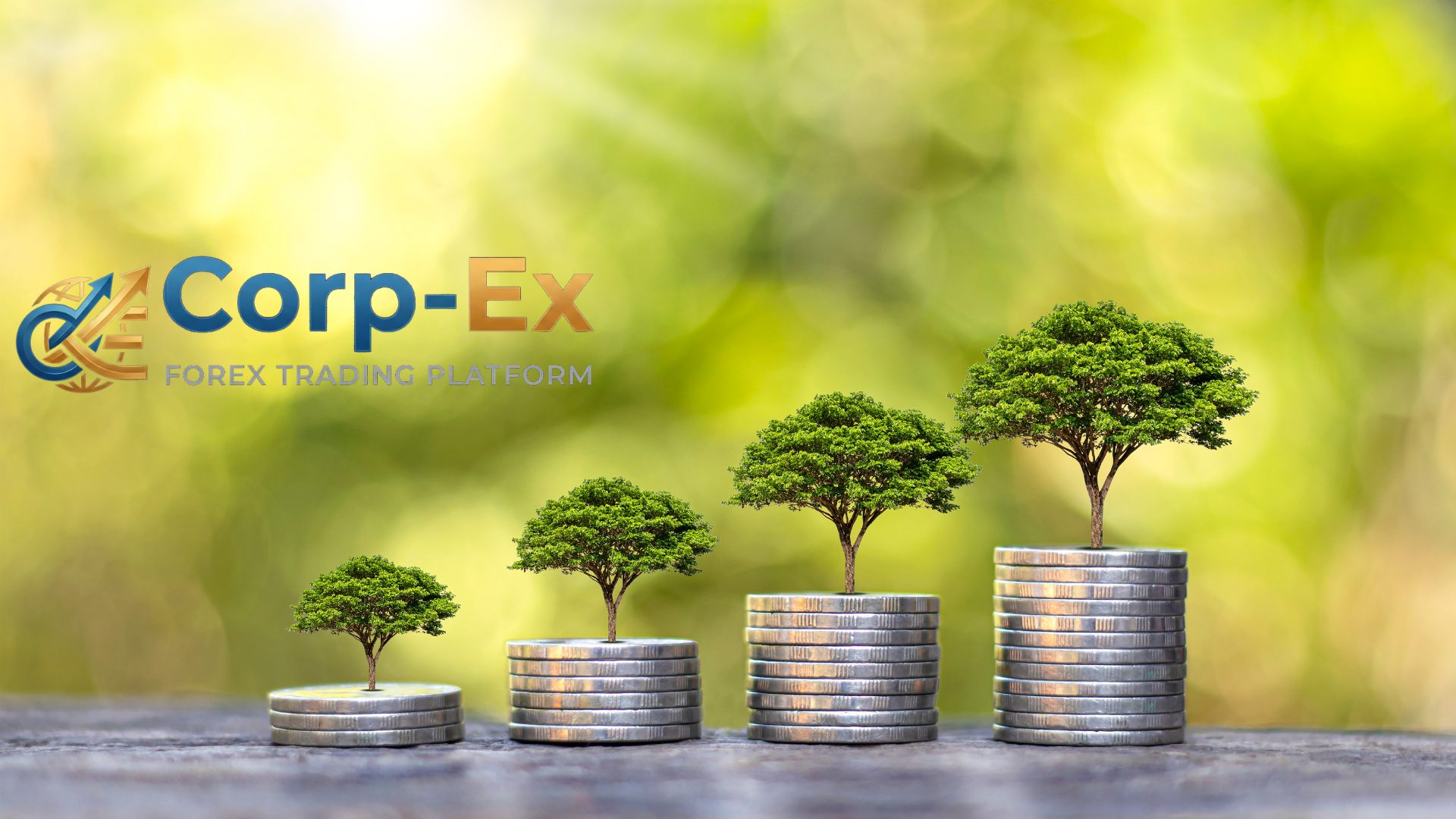
To continue building your financial knowledge, explore the educational resources available at Corp-Ex.
Disclaimer
This article is for educational purposes only and should not be considered financial or investment advice. Investing involves risk, including the possible loss of capital. The information provided is intended to help readers better understand financial markets and should not be used as the sole basis for investment decisions. Always conduct your own research and consider consulting a qualified financial advisor before investing.