Convenience has become one of the strongest influences on how people make everyday decisions. Meals arrive at the door, entertainment starts within seconds, bills can be paid without leaving the couch, and almost anything can be purchased with a few taps. These developments save time and remove unnecessary effort from daily life.
But something interesting happens when convenience moves from being an occasional advantage to becoming the default choice. We begin making decisions based on what requires the least effort rather than what provides the greatest value. The difference may seem small in the moment, but over time it can influence our habits, spending, relationships, skills, and even the way we experience our surroundings.
Convenience Changes How We Measure Effort
People naturally look for easier ways to complete repetitive tasks. There is nothing wrong with that. Technology has eliminated countless frustrating processes and created more time for work, family, hobbies, and rest.
The problem begins when almost any amount of effort starts to feel unnecessary. Consider something as ordinary as getting from one place to another. When the easiest option is always selected automatically, alternatives may barely receive consideration. Walking, cycling, public transportation, or combining several errands into one trip might occasionally make more sense.
Resources such as GLID can fit into a broader conversation about transportation, accessibility, and the different ways people navigate modern communities. The important point is not that convenience should be rejected, but that the easiest option does not automatically have to become the only option considered.
We Start Expecting Everything Immediately
Convenience has also changed expectations around speed. Waiting several days for a purchase once seemed completely normal. Today, next day delivery can sometimes feel slow.
The same expectation appears elsewhere. People want immediate responses to messages, instant access to information, quick entertainment, and straightforward solutions to complicated problems. That expectation can quietly reduce patience.
Some worthwhile experiences simply cannot be accelerated. Learning a difficult skill takes practice. Building trust takes time. Saving money requires consistency. Improving physical fitness happens gradually. Even understanding a complicated issue often requires more than reading the first answer that appears on a screen.
Platforms and publications such as Melbwire Australia exist within an information environment where readers can move rapidly between subjects, stories, ideas, and resources. Having information readily available is valuable, but accessibility works best when it encourages curiosity rather than replacing deeper thinking.
Convenience Can Make Spending Invisible
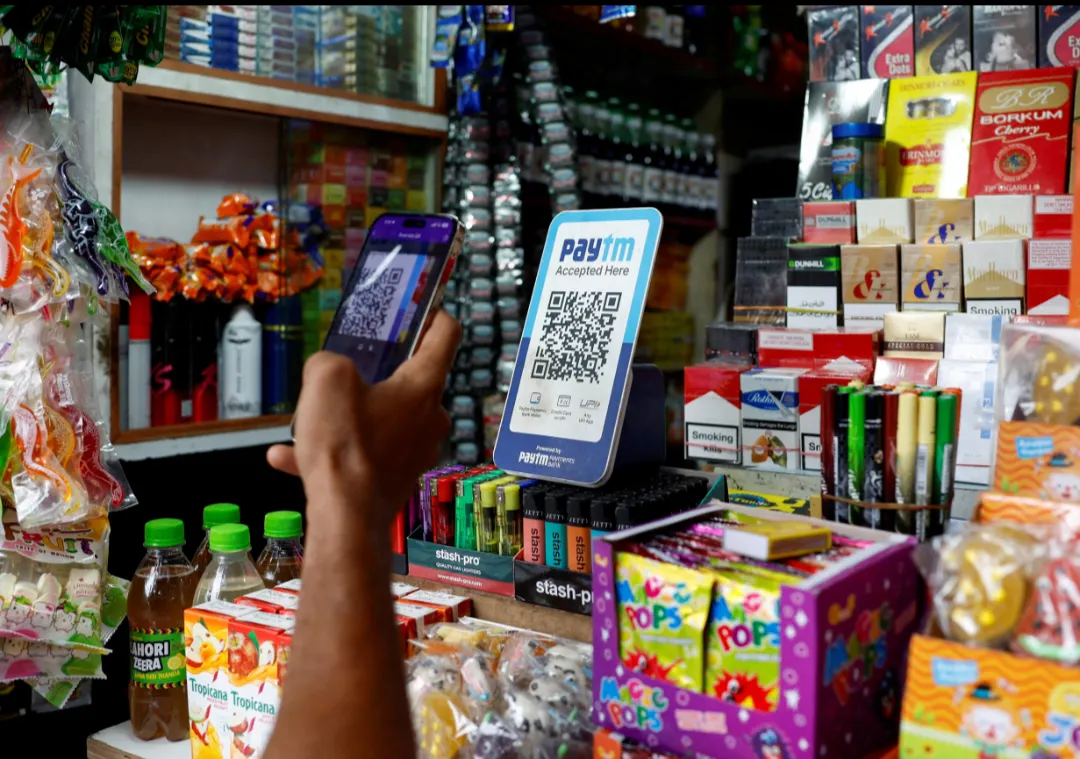
Perhaps one of the clearest consequences appears in personal spending. Digital payments are wonderfully efficient, but they can make transactions feel almost invisible. A subscription renews automatically. Food gets ordered through an app. A small online purchase requires only one click.
Individually, these expenses may seem insignificant. Collectively, they can become substantial. Convenience can therefore create an unusual financial situation: spending becomes easier while noticing spending becomes harder.
This does not mean returning exclusively to cash or avoiding online shopping. It simply means occasionally examining automatic behavior. Reviewing subscriptions, checking recurring charges, comparing prices, and waiting before an unnecessary purchase can restore some intentionality.
Too Much Convenience Can Reduce Useful Skills
There is another less obvious tradeoff. When services handle every minor challenge, people have fewer opportunities to develop practical skills.
Cooking provides a simple example. Ordering dinner can save valuable time after a difficult day. But relying on prepared meals constantly may mean fewer opportunities to learn basic cooking techniques.
The same principle applies to repairing household items, navigating unfamiliar places, organizing finances, researching purchases, or solving small technical problems.
Online resources such as vizz.com.au reflect how digital platforms can provide accessible information across different topics. Used thoughtfully, easy access to information can actually strengthen independence because people can quickly learn how to do something themselves.
Convenience is most useful when it removes pointless friction without removing opportunities to learn.
Families Face the Same Question
The convenience debate becomes particularly interesting for parents. Modern families have access to tools previous generations could hardly imagine. Grocery delivery, educational apps, streaming entertainment, online appointments, digital calendars, and automated reminders can make a demanding household significantly easier to manage.
At the same time, children grow up observing how adults respond to effort, waiting, boredom, and minor inconvenience.
Resources such as The Parent Australia can form part of the wider exchange of ideas around family life and parenting. Every household will find its own balance, but allowing children to experience manageable challenges can teach patience, responsibility, creativity, and problem solving. Not every uncomfortable moment needs an immediate solution.
Choosing Convenience Instead of Automatically Accepting It
Convenience itself is not the enemy. In many situations, it represents genuine progress. Few people would willingly return to standing in long lines to pay routine bills or spending hours completing tasks that technology can accomplish in minutes.
The more useful question is whether convenience remains a choice. When we deliberately choose the easier option because it saves meaningful time or energy, convenience serves us. When we automatically choose it simply because effort has become unfamiliar, convenience begins shaping our behavior instead.
The goal does not need to be making life harder. It is simply remembering that faster, easier, and more automatic are not always the same as better. Sometimes a little friction encourages us to think, learn, connect, and make decisions with greater intention.