
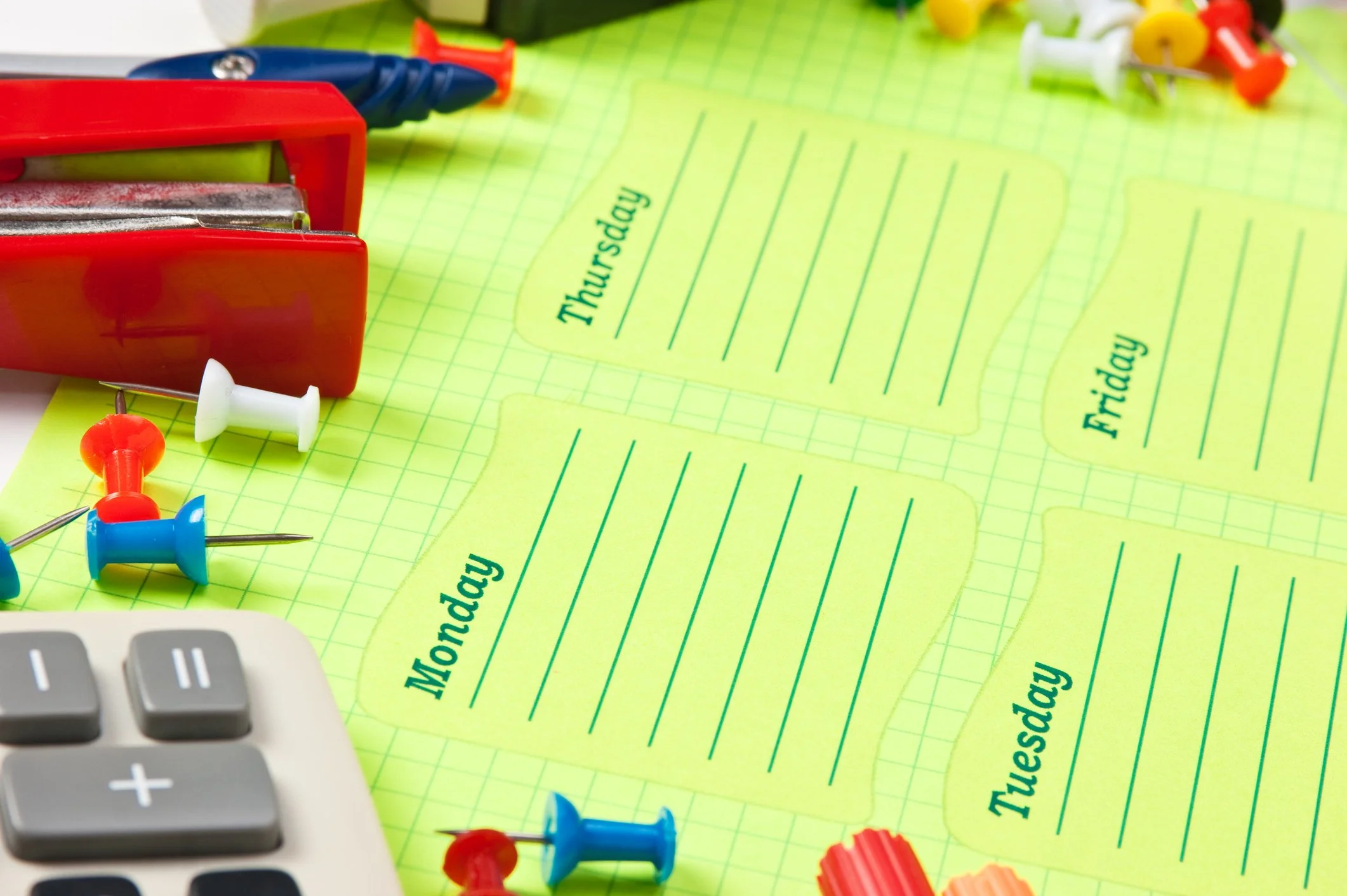
Modern weeks can become crowded surprisingly quickly. Work deadlines, household responsibilities, appointments, family commitments, errands, and personal goals all compete for limited time. When everything feels important, it is easy to spend the week reacting to whatever demands attention first.
Creating structure does not mean planning every minute. A useful weekly routine should provide direction while leaving enough flexibility for unexpected situations. With a few practical habits, it becomes easier to manage responsibilities without turning the calendar into another source of pressure.
Start With a Weekly Overview
One of the simplest ways to create structure is to look at the entire week before it begins. Instead of approaching Monday without a clear plan, spend a short period reviewing appointments, deadlines, personal commitments, and important tasks.
Weekly planning can help people make more intentional decisions about their time. A practical approach is to schedule fixed commitments first and then allocate time for important tasks while maintaining some buffer space for changes.
Digital resources can also provide useful ideas for organizing everyday responsibilities. Browsing platforms such as sydhub.com.au may introduce readers to information and perspectives related to contemporary Australian life. The important part is turning useful information into actions that genuinely fit your schedule.
Choose a Few Meaningful Priorities
A common mistake is creating an enormous weekly task list. Long lists can look productive, but they often make it difficult to identify what actually deserves attention.
Instead, select a small number of meaningful priorities. These might include completing an important work assignment, organizing a household task, attending an appointment, or making progress on a personal project.
Once priorities are clear, smaller activities can be arranged around them. This makes the schedule easier to understand and reduces the temptation to spend valuable time on low priority activities simply because they are quick.
Give Household Responsibilities a Routine
Repeated household tasks can create unnecessary mental clutter when they are handled randomly. Giving them predictable places in the week can make everyday life easier.
For example, grocery shopping might happen on Saturday morning, laundry on Wednesday evening, and meal preparation on Sunday afternoon. Families do not need to follow a rigid timetable, but predictable routines can reduce the number of decisions that need to be made each day.
Parents may find a parenting guide Australia useful for discovering practical approaches to routines, activities, household organization, and managing changing family needs. However, routines should ultimately reflect the realities of each household rather than an idealized schedule.
Group Similar Tasks Together
Constantly switching between unrelated activities can make a busy day feel fragmented. One practical alternative is task batching, which means grouping similar responsibilities into dedicated periods.
Emails and administrative work, for example, can be handled together rather than checked repeatedly throughout the day. Household errands can be grouped into one trip. Calls that are not urgent can be completed during a designated period.
Time blocking follows a similar principle by assigning specific periods to particular activities rather than relying exclusively on an open ended task list. This does not require a complicated productivity system. A basic calendar or notebook may be enough.
Make Information Work for You
People encounter a constant stream of advice online, from productivity suggestions to lifestyle ideas. Resources such as GLID Blog or local platforms covering city life can provide inspiration, but consuming information should not become another task that crowds the schedule.
The same principle applies when reading locally focused content such as Melbwire Melbourne. Choose information that answers a current question or helps with a real decision instead of continuously collecting tips that may never be used.
A useful habit is to save interesting material for a designated reading period. This keeps browsing from interrupting work, family time, or other priorities.
Build Buffer Time Into the Week
A schedule that assumes everything will happen exactly as planned is likely to become frustrating. Meetings run longer, traffic causes delays, children need attention, household problems appear, and work priorities change.
Leaving open periods throughout the week creates room for these situations. Stanford’s Center for Teaching and Learning similarly recommends keeping buffer time when creating a weekly calendar so tasks can be shifted when necessary.
Free time should not automatically be treated as wasted time either. Rest, hobbies, exercise, conversations, and quiet periods can all have a legitimate place in a balanced week.
Review Before Starting Again
At the end of the week, take a few minutes to review what happened. Identify what was completed, what was postponed, and which parts of the schedule felt unrealistic.
There is no need to create a detailed performance report. The purpose is simply to make the following week easier to plan. If Tuesday consistently becomes overloaded, fewer tasks can be scheduled there. If mornings are more productive, demanding activities can be moved earlier.
Creating Structure Without Rigidity
A well organized week is not necessarily one in which every hour is occupied. Structure works best when it provides clarity while allowing plans to change.
Start with major commitments, identify a few priorities, create predictable routines, group similar tasks, and leave space for the unexpected. Over time, these simple strategies can transform weekly planning from a stressful attempt to control everything into a practical system for deciding what deserves your attention.