Cycling is one of the most popular ways to stay active, commute, train, and explore Vancouver. Whether someone rides casually on weekends, commutes across the city, trains for road cycling, or enjoys longer routes around the Lower Mainland, comfort on the bike matters.
A small change in saddle height, handlebar position, cleat setup, or riding posture can make a noticeable difference over time. When a bike does not fit the rider well, the body may compensate. This can contribute to discomfort in the knees, hips, low back, neck, shoulders, wrists, or feet.
That is where bike fitting can be useful.
What Is Bike Fitting?
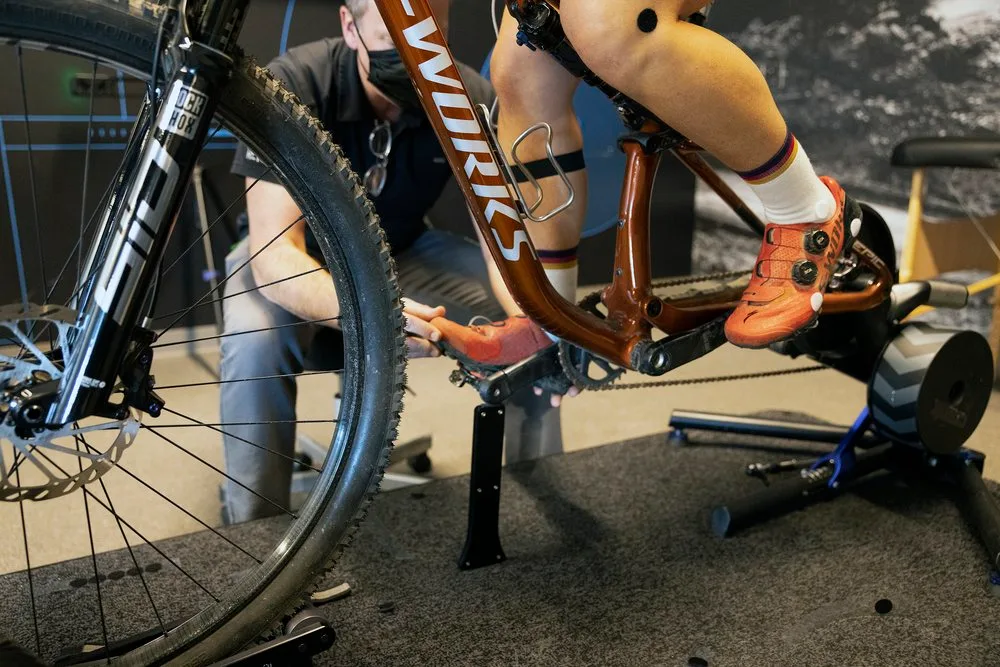
Bike fitting is the process of adjusting a bicycle to better match the rider’s body, movement, goals, and riding style. It looks at how the rider interacts with the bike and whether the setup supports a comfortable, efficient position.
A fitting may consider:
- saddle height
- saddle position
- handlebar reach
- handlebar height
- cleat position
- foot and knee tracking
- riding posture
- mobility limitations
- previous injuries
- cycling goals
The aim is not to force every rider into one “perfect” position. A good fit should be tailored to the individual.
A recreational cyclist, commuter, endurance rider, and competitive cyclist may all need different setups depending on their goals, flexibility, strength, injury history, and typical riding distance.
Why Comfort Comes First
Many cyclists assume discomfort is just part of riding. Some soreness can happen when building up mileage or returning after time off, but persistent pain should not be ignored.
Common complaints linked with bike fit include:
- knee pain
- low back discomfort
- neck and shoulder tension
- wrist or hand numbness
- saddle discomfort
- hip tightness
- Achilles or calf irritation
- foot numbness or pressure
Sometimes these issues are related to training load, recovery, strength, or mobility. In other cases, the bike setup may be part of the problem. A saddle that is too high or too low, for example, may change how the knee and hip move. Handlebar reach may influence neck, shoulder, and wrist comfort. Cleat position can affect how force travels through the foot, ankle, and knee.
A bike fit can help identify these details and make practical adjustments.
Bike Fit and Performance
Comfort and performance are closely connected. When a rider is fighting their position, they may waste energy, lose efficiency, or struggle to maintain consistent power.
A more suitable riding position can support better pedalling mechanics, improved stability, and more sustainable effort over longer rides. This does not mean every cyclist needs an aggressive racing position. For many people, performance simply means riding farther, feeling better, commuting more comfortably, or returning to sport after injury.
Good bike fitting should consider the rider’s real-world needs. A commuter carrying a backpack through Vancouver traffic may need a different fit from someone training for long road rides or triathlon events.
Why Clinical Assessment Can Be Helpful
Traditional bike fitting often focuses on the bike. A clinically informed bike fit also considers the rider.
This can be especially helpful for people dealing with pain, previous injuries, mobility restrictions, or recurring discomfort. The issue may not be only the bike setup. It may also involve hip mobility, core endurance, ankle movement, shoulder position, strength imbalances, or how the rider loads one side of the body.
A clinician-led approach can assess both the person and the bike, then make recommendations that may include bike adjustments, movement strategies, rehab exercises, or follow-up care where appropriate.
For riders comparing options in Vancouver, bike fitting at Northwest Rehab Group is available through a chiropractor-led service in Mount Pleasant:
https://nwrehab.ca/bike-fitting-vancouver/
Northwest Rehab Group’s bike fitting service includes manual measurement and bike adjustments based on the rider’s anatomical and biomechanical needs, with the goal of improving comfort and efficiency. The clinic also notes that sessions use laser guidance to help determine riding position and that a typical appointment lasts around one hour.
When to Consider a Bike Fit
A bike fit may be worth considering if you:
- feel pain or discomfort during or after rides
- experience numbness in the hands, feet, or saddle area
- recently bought a new bike
- changed shoes, saddle, pedals, or cleats
- are increasing riding distance or training volume
- are returning to cycling after an injury
- feel inefficient or unstable on the bike
- want a more comfortable commuting setup
- are preparing for longer rides or events
It can also be useful for newer cyclists who want to avoid building habits around a poor setup.
What to Bring to a Bike Fitting Appointment
For the most accurate fit, it helps to bring the equipment you normally use. This usually includes your bike, cycling shoes, and typical cycling clothing. Northwest Rehab Group also advises riders to bring their bike, cycling shoes, and cycling attire so the fitting reflects real riding conditions.
Small details matter. The shoes, pedals, saddle, and clothing used during the fitting can influence the final setup.
Bike Fit Should Not Be a One-Size-Fits-All Process
A good bike fit should be individual. It should consider the type of riding you do, your comfort level, and your physical capacity.
For example:
A road cyclist may want a position that supports speed and endurance.
A commuter may need comfort, visibility, and control.
A recreational rider may prioritise relaxed posture and reduced strain.
A cyclist recovering from injury may need gradual adjustments and rehab support.
A bike fit should support the rider’s goals rather than simply copying a standard position.
Avoiding Overpromises
Bike fitting can be very useful, but it should not be sold as a guaranteed fix for every cycling-related issue. Pain and discomfort can have several causes, including training load, strength, recovery, equipment, riding habits, and health history.
A responsible provider should explain what the fit can address, what may need further rehab, and when another type of assessment may be needed.
The best results often come from combining bike adjustments with practical advice around mobility, strengthening, training progression, and recovery.
Final Thoughts
Cycling should feel sustainable. Whether someone rides for fitness, commuting, competition, or enjoyment, a good bike fit can support comfort, efficiency, and confidence on the bike.
For riders dealing with recurring discomfort, returning after injury, or preparing for longer rides, a clinically informed bike fit may offer a more complete approach. By looking at both the bike and the rider, the fitting process can help identify practical changes that support better movement and a more comfortable ride.
In a cycling city like Vancouver, investing in a proper bike setup can make riding more enjoyable and easier to maintain over the long term.