
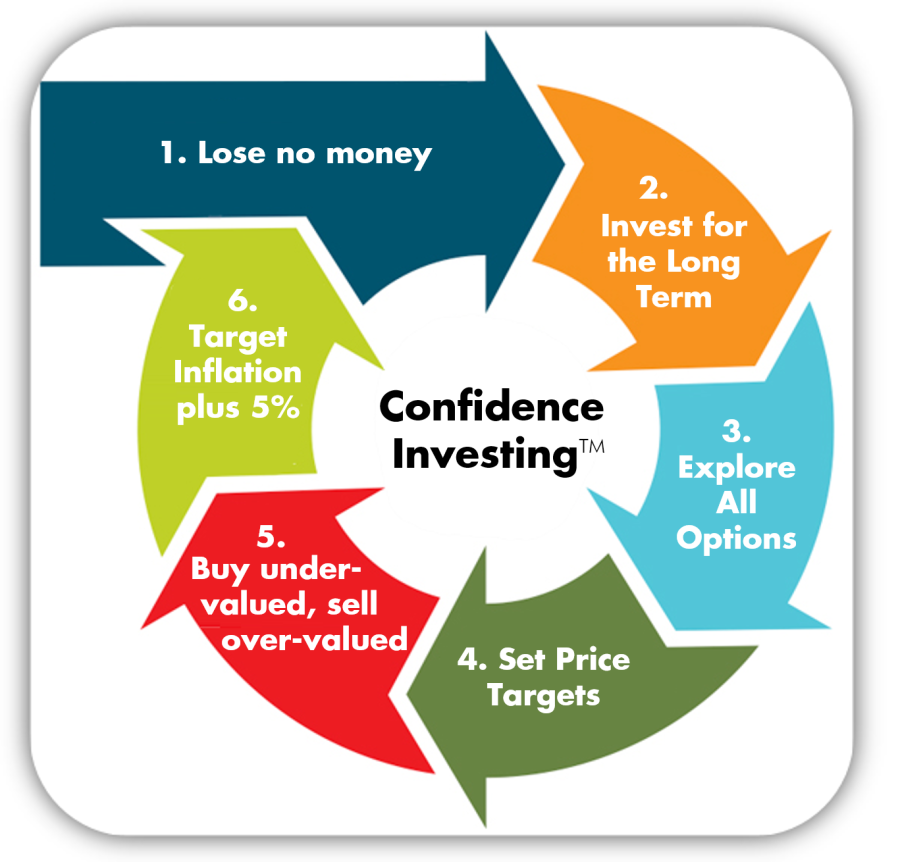
Building Financial Confidence Through Better Money Knowledge
How much money someone makes doesn’t provide them with financial assurance. You may get better at handling money, making decisions that affect the future, and being cool when money problems arise. Many people are worried about money because they never learned how to handle it properly. Taking these basic steps one at a time helps you replace fear with understanding and doubt with confidence.
It takes time to build up your financial confidence. It starts with learning, gets stronger via practice, and grows with time. When people know how their money works, they may make decisions on purpose instead of under pressure. People can take charge of their money lives instead of just reacting to what happens when they know more about money.
Understanding Where Your Money Goes
Being aware is the first step toward being financially secure. A lot of folks don’t realize how powerful it is to know where their money goes every month. You should be able to see and comprehend your income, fixed costs, variable spending, and savings. It’s hard to plan or make your finances better without this insight.
It doesn’t have to be hard to keep track of your spending. The idea is to see patterns, whether you use a simple spreadsheet, a notebook, or a budgeting tool. Small daily costs can have a bigger effect than you think. People feel more sure of themselves when they can plainly identify these trends since their money choices are based on facts instead of feelings.
Building A Strong Foundation With Budgeting
Budgeting may appear to be an attempt at controlling spending, but in actuality it gives people flexibility. They may spend with greater assurance knowing their priorities have been covered within an accurate plan – finding balance between needs now and wants for later can only happen through careful budgeting!
Effective budgeting focuses on the big picture rather than on too many details. Housing, utilities, food, and transportation should take top priority when creating a budget plan; savings goals should also be treated as commitments rather than extravagancies; discretionary spending then fits seamlessly in afterwards.
Someone saving for a house at Be Apartments may feel more motivated to stick with their budget when they see how it helps them reach their goal of homeownership. Being able to visualize progress also boosts confidence levels significantly.
Learning To Manage Debt Wisely
Debt can either help or hinder a person. When people know the distinction between good debt and bad debt, they feel more financially secure; interest rates, payback terms and total costs over time should all be taken into consideration before entering any agreement or making purchases.
People who are confident with themselves often do not shy away from discussing debt; rather they approach it head on. They know exactly what money they possess and owe. Furthermore, paying back high interest debt often provides immediate emotional relief while simultaneously helping build healthy financial habits.
People feel more in control of their financial destiny when they stop being intimidated by debt and start managing it wisely.
Improving Financial Literacy Through Trusted Resources
It’s easier than ever to learn about money now. People can study at their own speed with online platforms, workshops, and educational materials. But it’s important to pick trustworthy sources.
TeamUp Digital and other groups and communities often stress the importance of learning and gaining skills in both personal and professional development. It is simpler to use financial knowledge in real life when it is linked to other life skills.
Instead of remembering rules, learning should be about grasping ideas. The idea is to be able to make decisions on your own, not to rely on what other people say.
Developing Healthy Money Mindsets
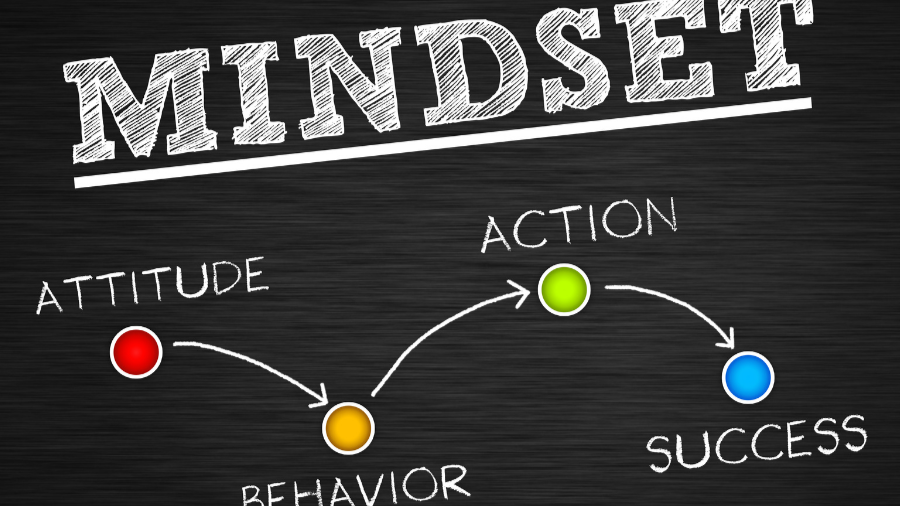
Not only information but mindset can have an effect on how confident we feel with money. Many have attitudes about finances learned during childhood or from what others expect of them. Recognizing and questioning beliefs which don’t support healthy money practices will result in improved practices over time.
An optimistic mindset about finances recognizes mistakes as opportunities to learn rather than failures, forcing individuals to plan long term instead of in the short term, as well as placing progress over comparison since everyone’s journey to financial security differs.
Creative groups like ArtsAblaze often talk about how important your mindset is for both your artistic and financial health. This point of view supports the idea that knowing yourself is just as important as knowing how to handle money when it comes to building confidence.
Practicing Financial Decisions In Everyday Life
Action turns knowledge into confidence. Using what you learn about money in everyday situations helps you get better at it and makes you less unsure. This means looking at different possibilities before buying something, checking your financial statements often, and changing your plans when things change.
Talking openly about money with family or companions also makes people feel more confident. Clear conversations help people understand each other better and set common financial goals. These practices become second nature and provide you with strength over time.
Even little decisions, like organizing a cheap outing at a venue like Shg Market City Tavern, can boost your confidence when they fit with your overall financial goals.
Moving Forward With Confidence
It takes a lifetime to build financial confidence by learning more about money. It doesn’t need a lot of skill or strict rules. It takes a lot of work, honesty, and interest.
Fear goes away, and confidence takes its place when people discover how money works and how it fits into their lives. Instead of being problems, financial decisions become chances. Every informed decision makes people feel more in charge and safe.
In the end, having faith in your finances doesn’t mean having a lot of money. It is about being clear, ready, and confident that you can make smart financial choices.

Related Posts
How Small Behavioral Changes Lead to Big Life Improvements

Best Puma Solingen blade