Maintaining good eye health is essential for overall well-being, and regular eye test appointments are a key part of preventive care. Whether you wear glasses, contact lenses, or have perfect vision, a comprehensive eye test helps detect vision problems, eye diseases, and other health conditions early.
Understanding what happens during an eye test can make the experience less intimidating and help you get the most out of your appointment.
Initial Consultation and Medical History
Every comprehensive eye test begins with a detailed consultation. The optometrist or eye care professional will ask about your medical history, any current eye concerns, medications, lifestyle factors, and family history of eye disease.
Sharing information about symptoms such as blurred vision, eye strain, headaches, or difficulty seeing at night helps the professional tailor the examination to your specific needs. This initial step lays the foundation for a more precise and effective assessment.
Visual Acuity Test
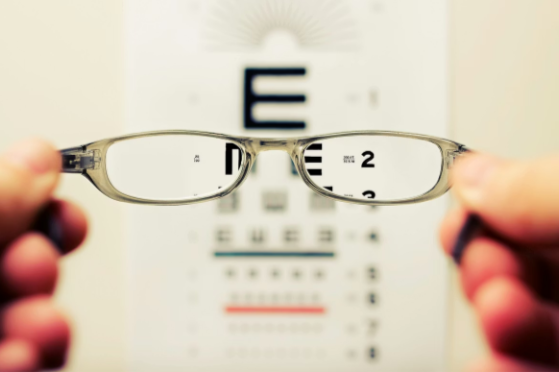
The visual acuity test is the most familiar part of an eye test. Using an eye chart, usually placed at a distance, the professional measures how well you can read letters or symbols at various sizes.
Each eye is tested separately to determine if there is any difference in vision between them. This step identifies whether you need corrective lenses or an update to your current prescription.
Refraction Assessment
Following the visual acuity test, a refraction assessment is often performed. During this process, lenses of different strengths are placed in front of your eyes using a device called a phoropter. You will be asked to compare which lens provides clearer vision.
This assessment helps determine the exact prescription for glasses or contact lenses and ensures that you achieve optimal vision correction.
Eye Muscle and Coordination Tests
An eye test also evaluates how well your eye muscles work together. The optometrist checks the movement of your eyes in different directions to assess coordination and alignment.
Poor coordination can lead to double vision, eye strain, and difficulties with depth perception. Detecting these issues early allows for appropriate treatment or vision therapy.
Pupil Response and Eye Pressure Measurement
Your pupils are examined for their reaction to light, which can reveal signs of neurological or ocular issues. Additionally, eye pressure is measured using a tonometer to screen for glaucoma, a condition that can cause vision loss if left untreated. Both assessments are quick and painless, yet they provide vital information about the health of your eyes.
Final Thoughts
A comprehensive eye test is more than just reading letters on a chart. It is a detailed evaluation of your eye health, vision quality, and overall ocular function. From medical history to retinal examination, each step plays an essential role in detecting problems early and maintaining healthy vision.
Understanding what happens during an eye test helps you feel confident and prepared, ensuring that you get the most benefit from your eye care appointments. Regular eye tests are a proactive step toward preserving your vision and overall health for years to come.